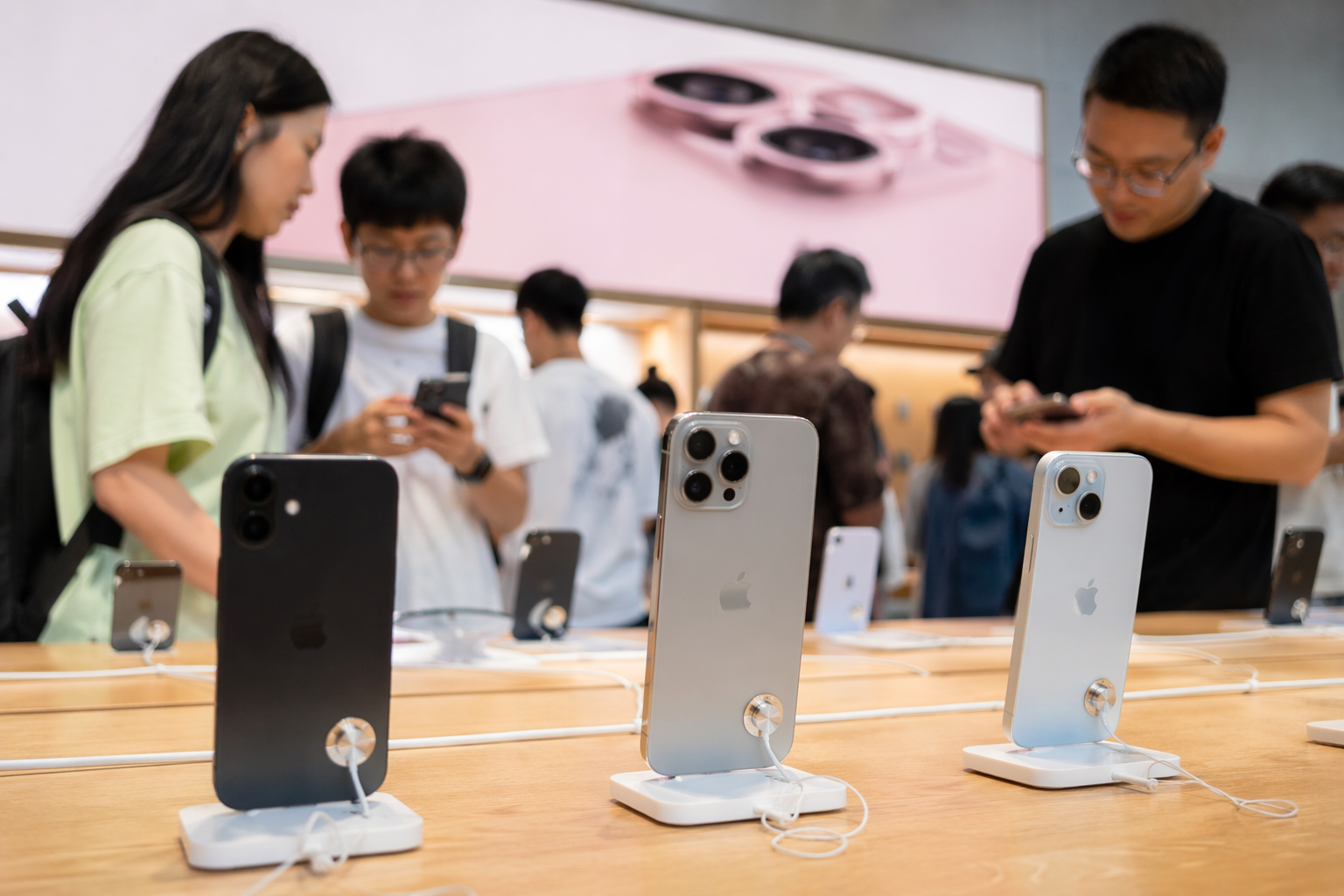
Apple recorded a robust 20% increase in iPhone shipments in China during the first quarter, outperforming the wider market, as per Counterpoint Research data, cited in a Reuters report.
The company’s performance stood in contrast to a slowdown across the sector, as rising memory chip prices and supply chain disruptions weighed on total smartphone shipments in the country.
Overall market declines amid Rising costs
Despite Apple’s strong performance, the overall smartphone market in China shrank during the quarter.
Total shipments dropped 4% in the world’s largest smartphone market.
The decline was attributed to supply chain disruptions and rising memory chip prices, which increased production costs for manufacturers.
These higher costs have also forced many vendors to raise prices, particularly in the budget segment, in an effort to protect margins.
Apple gains edge on value proposition
Apple’s growth stood out in a challenging market environment.
Ivan Lam, senior analyst at Counterpoint Research, highlighted the company’s perceived value among consumers.
“As most rivals raise prices, Apple stands out for value, with Chinese consumers knowing its products last at least three years,” Lam said, as cited in a Reuters report.
This perception of durability appears to have helped Apple attract buyers even as overall demand softened.
Huawei retains market leadership
Huawei continued to lead the Chinese smartphone market during the quarter, supported by strong demand across both premium and budget segments.
Huawei recorded a 2% increase in shipments and secured a 20% market share, maintaining its top position.
Apple followed closely with a 19% share after its strong growth.
Lam noted that Huawei’s performance was driven by solid demand for its product lineup, including devices in the lower-end segment such as the Enjoy 90 series.
Mixed performance among other vendors
The broader competitive landscape showed mixed results for other smartphone makers in China.
Xiaomi saw a sharp decline, with shipments plunging 35%.
Lam attributed this drop to a high base effect, as the company had previously benefited from aggressive price cuts and government subsidies in the same period last year.
Shipments from Oppo and Honor also fell by 5% and 3%, respectively.
In contrast, Vivo posted modest growth of 2%, supported by strong sales during the Lunar New Year holiday.
Price pressures
Smartphone vendors across China have increasingly raised prices for budget devices to offset the impact of elevated memory chip costs.
This trend is expected to continue, adding further pressure on demand.
Looking ahead, Lam warned of additional challenges for the market in the coming quarter.
“However, we expect Apple and Huawei to fare relatively better, with Huawei potentially seeing further shipment growth driven by solid demand for its lower-end devices,” Lam said, as mentioned in a Reuters report.
The outlook suggests that while the broader market may face continued headwinds, leading players such as Apple and Huawei could maintain momentum due to strong brand positioning and product demand.
The post What’s behind Apple’s strong iPhone growth in China market? appeared first on Invezz
