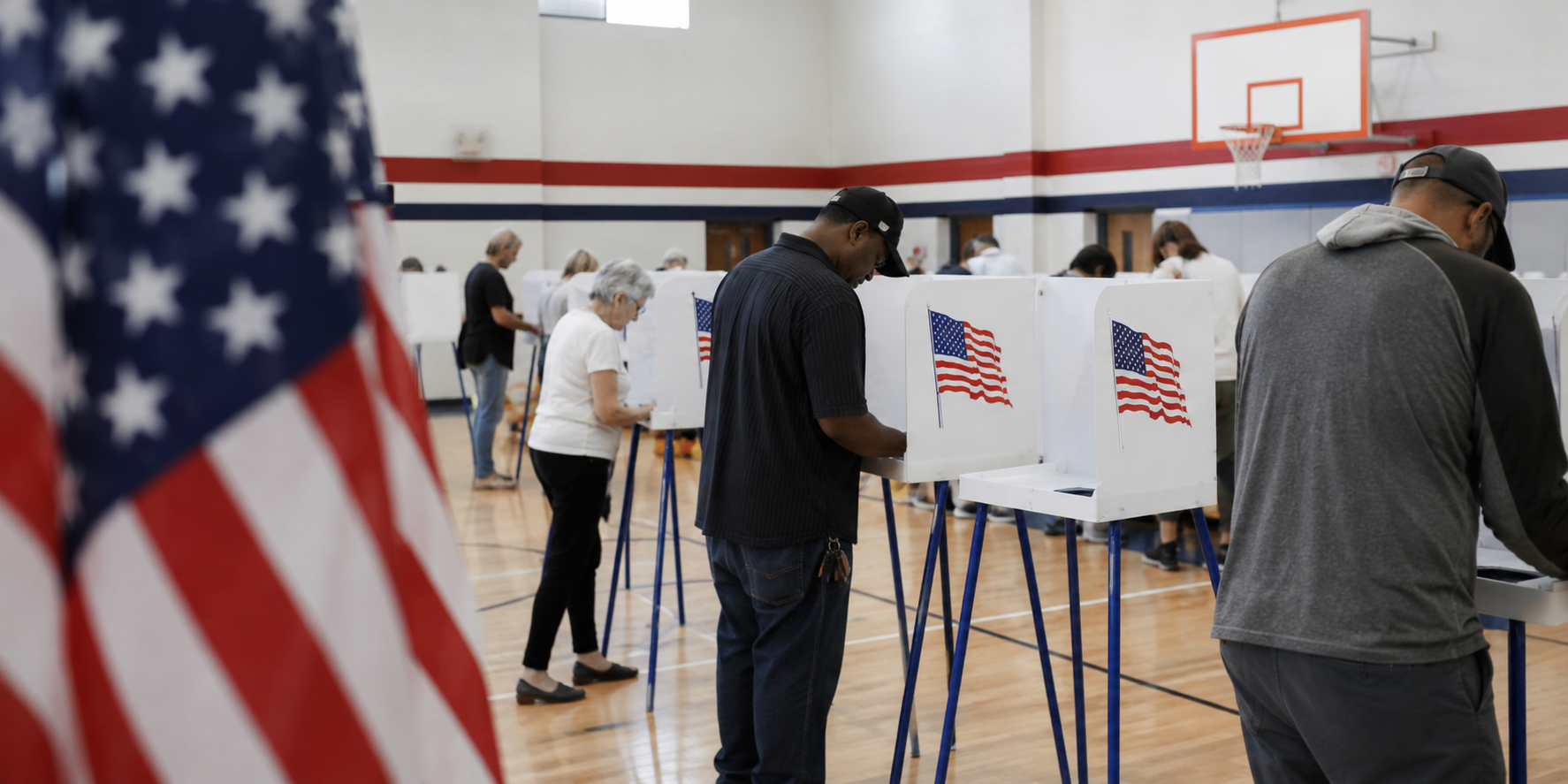
A clear Democratic victory in the November 3 midterms could put healthcare and retail stocks in the spotlight, according to Man Group’s election analysis.
The investment firm sees both sectors benefiting if Democrats capture the House and Senate.
But investors should distinguish an immediate relief rally from lasting earnings gains: winning Congress would strengthen Democrats’ negotiating position without handing them control of the White House.
With options markets already anticipating a relatively orderly outcome, the strongest opportunities may lie in businesses where policy compromises could protect revenues and customer spending.
Healthcare: Hospitals offer a direct play on protecting coverage
For healthcare investors, the clearest potential benefit is a stronger congressional defense of insurance coverage and hospital funding.
A Democratic Congress could push to soften Medicaid reductions and restore enhanced Affordable Care Act subsidies.
UBS identifies efforts to postpone or reverse Medicaid cuts as a likely Democratic priority, although President Donald Trump could veto legislation.
Negotiations over spending would therefore matter more than campaign promises alone.
The investment logic is straightforward: insured patients give hospitals a better chance of collecting payment.
Preserving coverage could reduce unpaid bills and ease pressure on reimbursement, supporting earnings without requiring a sudden surge in patient visits.
HCA Healthcare (HCA) and Tenet Healthcare (THC) are consequently compelling stocks to investigate for this scenario.
Their hospital businesses provide a relatively direct connection between coverage policy and operating performance.
Medicaid-focused insurers Centene (CNC) and Molina Healthcare (MOH) offer another route, although medical costs and state payment rates complicate their earnings outlook.
Note that the opportunity is selective rather than sector-wide.
Democrats could also intensify scrutiny of drug prices, insurers, and hospital consolidation.
That makes hospitals’ potential coverage benefit more useful than a blanket assumption that every healthcare stock wins.
Retail: Protecting household budgets could support spending
Retail’s potential upside starts with consumers’ ability to spend, particularly households with little financial room to absorb another squeeze.
Democrats would likely seek to postpone or reverse food-assistance cuts, according to UBS.
Separately, RSM warns that reduced purchasing power among lower-income households could particularly affect grocery, convenience, and discount channels.
Together, those assessments suggest that relief could support retailers exposed to everyday household purchases.
Walmart (WMT) stands out as a stock worth examining. Its grocery business provides exposure to essential spending, and the company accepts SNAP benefits nationwide and through eligible online services.
Protecting those benefits could help preserve customers’ purchasing power and shopping frequency.
This is an investment inference from its business exposure, rather than a stock recommendation attributed to Man Group.
The benefit could extend beyond food: money available for groceries can leave households with more room for clothing, home products and other purchases.
However, investors should avoid assuming a Democratic sweep automatically removes tariffs or lowers borrowing costs.
Walmart therefore offers a clearer mechanism for potential gains than an indiscriminate retail-sector bet. Even so, policy exposure alone does not establish that its shares are attractively valued.
A durable rally would require evidence that congressional negotiations improve spending prospects enough to support earnings expectations already embedded in the stock.
The post These 2 sectors will benefit most from a clean Democratic victory appeared first on Invezz
